
Avoiding Costly Driveway Mistakes Through Professional Planning and Installation
The first few weeks after a new driveway is laid should be pleasantly uneventful. Cars roll in, rainwater runs away, and nobody gives the surface a second thought. When puddles linger or shallow ruts appear, however, questions about the installation begin almost immediately. A well-built asphalt driveway isn’t simply a dark, tidy layer rolled over the ground. It depends on decisions made long before the finishing equipment arrives. Experienced contractors examine the site, plan for the vehicles that will use it, and work through problems that may be hidden beneath the surface. That’s where reliable workmanship earns its value, even if much of it never becomes visible.
Everything starts underneath. A driveway laid over weak or poorly prepared ground can settle unevenly, no matter how attractive the finished asphalt looks. Professionals assess the existing soil, remove unsuitable material when necessary, and build a base capable of supporting expected loads. They also consider how the ground behaves after heavy rain and whether additional stabilization is required. Each layer needs appropriate compaction, because small pockets of loose material can eventually become depressions under vehicle wheels. Skipping this groundwork may make a quotation look tempting, but the savings can disappear quickly when cracking, sinking, or patch repairs become part of everyday life.
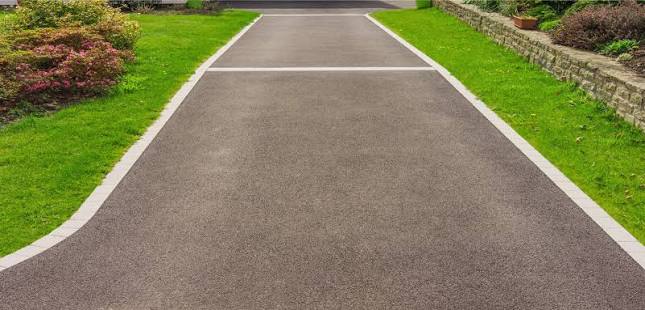
Water is another detail that deserves more attention than it usually receives. A driveway shouldn’t double as a shallow pond whenever a storm passes through. Correct grading helps guide rainwater toward an appropriate outlet instead of allowing it to collect beside the house or soak into vulnerable edges. This is particularly important where the driveway meets garages, paths, drains, or neighboring surfaces. A knowledgeable contractor checks levels before installation and considers where runoff will go, not just how the pavement will look. Drainage mistakes can be awkward to fix later, sometimes requiring sections of a seemingly new surface to be lifted and rebuilt.
Then comes the asphalt itself, and timing matters. The mixture needs to suit the intended use, with a suitable thickness and careful placement while it remains workable. Contractors must coordinate deliveries, spreading, joints, and rolling so the pavement is compacted consistently. Poorly joined sections may allow water to enter, while insufficient compaction can leave areas vulnerable to movement and early wear. Edges need attention too, especially where tyres regularly turn or park close to the boundary. Good crews don’t rush past these details simply to finish earlier. They understand that a smooth appearance on installation day is only one measure of quality.
So how can a property owner tell whether a contractor is worth hiring? Start with practical questions. Ask how the base will be prepared, what drainage is planned, which materials are proposed, and how access will be managed during construction. Look for clear answers, realistic scheduling, and examples of comparable work rather than a promise that everything will be “fine.” A reputable asphalt driveway contractor should explain the process in language that makes sense and put the agreed scope in writing. There’s real peace of mind in knowing the job has been planned properly. The best result is a surface that quietly does its job through ordinary mornings and rainy seasons alike.